Solar Power Plants
Solar power plants are large-scale energy generation systems that convert sunlight into clean, reliable, and sustainable electricity. They use advanced photovoltaic (PV) panels or concentrated solar power (CSP) technology to capture solar radiation and transform it into usable energy through an environmentally friendly process. As global demand for renewable energy increases, solar power plants have become one of the most effective solutions for reducing carbon emissions, lowering electricity costs, and ensuring long-term energy security.
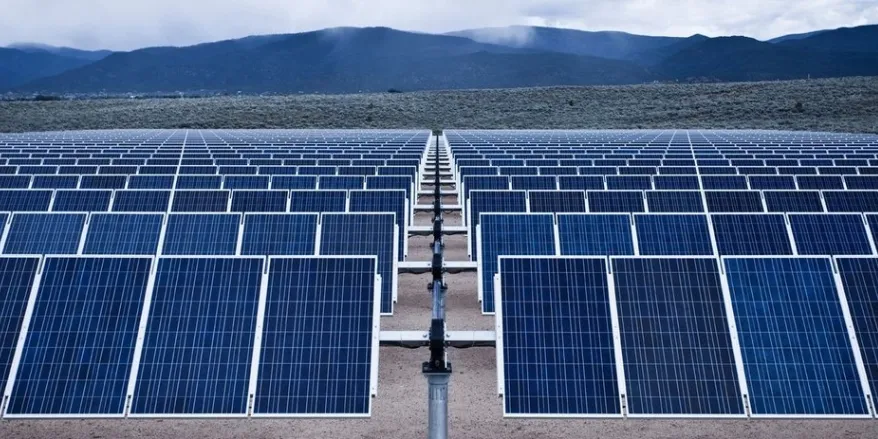
A typical solar power plant consists of solar modules, inverters, mounting structures, transformers, monitoring systems, and transmission equipment. Solar panels are installed in open land or on rooftops in a way that captures maximum sunlight throughout the day. When sunlight strikes the panels, it generates direct current (DC) electricity, which is converted into alternating current (AC) through inverters. This AC power is then transmitted to homes, industries, and commercial facilities through the electrical grid. Some plants also include battery storage systems to ensure a continuous supply of electricity even during cloudy conditions or at night.
One of the major advantages of solar power plants is their low operating cost. After installation, the plants require minimal maintenance and produce electricity for 25–30 years. Solar energy is free, unlimited, and renewable, making it a more stable and predictable energy source compared to fossil fuels. Solar plants also reduce dependence on coal, oil, and natural gas, contributing significantly to cleaner air, improved public health, and a greener future.
There are different types of solar power plants based on technology and application. Utility-scale solar power plants are built on large land areas and generate high volumes of electricity for cities and industries. Rooftop solar plants are ideal for residential and commercial properties, helping reduce monthly power bills and promoting energy independence. Floating solar power plants, installed on water bodies, are gaining popularity due to their space-saving advantages and high efficiency. Hybrid solar systems, which combine solar power with wind or diesel generators, ensure uninterrupted performance in remote areas.
The installation of solar power plants also offers economic benefits. It creates job opportunities in manufacturing, installation, engineering, maintenance, and research sectors. Governments across the world support solar energy through subsidies, tax benefits, and favorable policies that encourage individuals and companies to adopt solar power. As solar technology continues to advance, modern systems have become more efficient, affordable, and durable, making solar energy accessible to a wider population.
Environmental sustainability is another key benefit. Solar power plants produce zero greenhouse gases during operation and require less water compared to traditional power plants. They help combat climate change, reduce global warming, and protect natural resources for future generations. Because solar power plants generate energy silently and without pollution, they are ideal for both urban and rural environments.
In summary, solar power plants play a crucial role in meeting the world’s increasing energy needs in a clean, cost-effective, and environmentally friendly manner. With ongoing technological innovations, supportive government policies, and increasing awareness, solar energy is becoming one of the fastest-growing and most dependable sources of power. Investing in solar power plants not only provides long-term economic benefits but also contributes to a sustainable and greener planet for generations to come.